
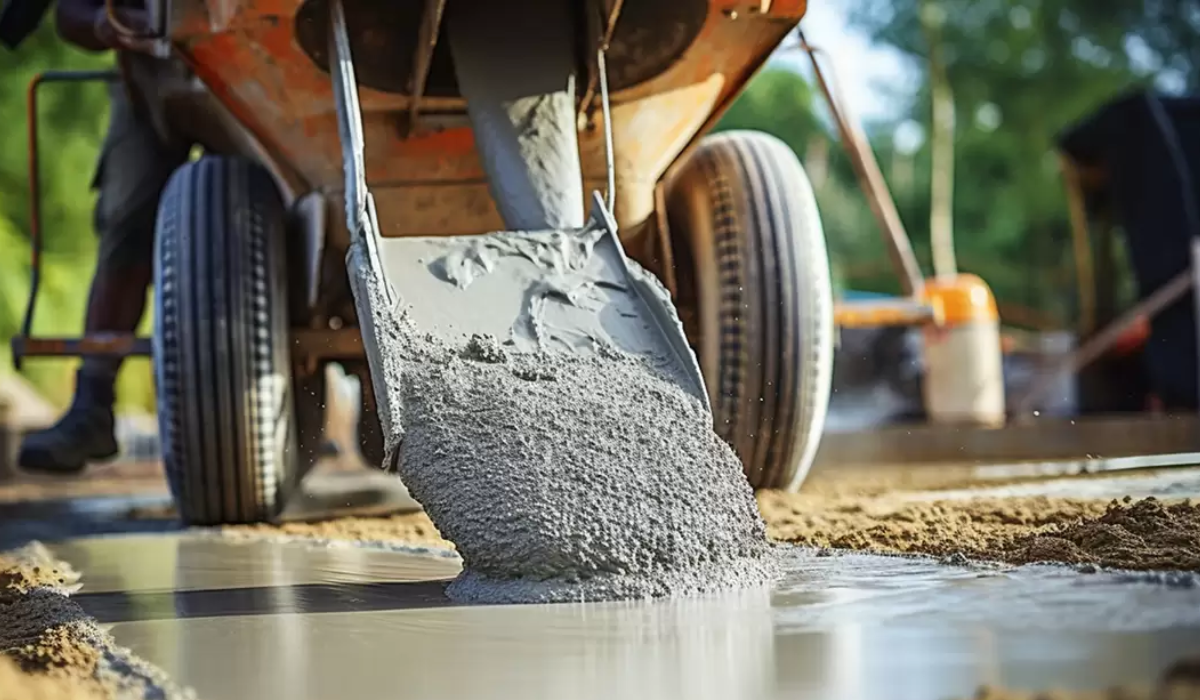
The construction industry is constantly evolving, with an increasing focus on sustainability, durability, and cost-efficiency. Fly ash, a byproduct of coal combustion, has emerged as a game-changing material in cement blends. Its unique properties not only improve the performance of cement but also contribute to a more sustainable construction process.
Let’s explore how fly ash enhances cement blends and why it’s becoming a preferred choice for builders and engineers worldwide.
1. Improved Workability
Fly ash particles are spherical and fine, which enhances the workability of concrete mixes. This allows for smoother mixing, reduced water demand, and easier placement, particularly in large-scale projects. Improved workability also reduces the risk of segregation and bleeding, resulting in more uniform structures.
2. Increased Durability
Concrete containing fly ash demonstrates increased resistance to chemical attacks, such as sulfate and chloride ingress. This makes it ideal for structures exposed to harsh environments, such as bridges, marine structures, and wastewater treatment plants. Fly ash also improves resistance to alkali-silica reactions (ASR), reducing the likelihood of cracking over time.
3. Enhanced Strength Development
While fly ash concrete may have a slower initial setting time compared to ordinary Portland cement (OPC), it achieves higher long-term strength. The pozzolanic reaction between fly ash and calcium hydroxide forms additional calcium silicate hydrate (C-S-H), the compound responsible for strength in concrete. This results in stronger and more durable structures over time.
4. Heat Reduction in Mass Concrete Applications
In large-scale concrete pours, such as dams or foundations, heat generated during hydration can cause thermal cracking. Fly ash helps mitigate this issue by lowering the heat of hydration, ensuring a more uniform temperature distribution and reducing the risk of thermal stress.
5. Cost Savings
By partially replacing cement with fly ash, construction projects can achieve significant cost savings. Fly ash is typically more affordable than OPC, and its use reduces the overall cement content required. Additionally, the improved performance of fly ash concrete often leads to lower maintenance costs over the structure’s lifecycle.
6. Environmental Benefits
The use of fly ash in cement blends reduces the demand for energy-intensive cement production, significantly lowering carbon dioxide emissions. It also repurposes a byproduct that would otherwise occupy landfill space, making it a key contributor to sustainable construction practices.
Applications of Fly Ash Cement Blends
Fly ash cement blends are used in a variety of applications, including:
- High-strength concrete for skyscrapers and bridges
- Mass concrete for dams and foundations
- Roadways, pavements, and airport runways
- Precast and ready-mix concrete
Choosing the Right Fly Ash for Cement Blends
The quality of fly ash plays a crucial role in its performance in cement blends. Key considerations include:
- Particle Fineness: Finer particles improve reactivity and strength development.
- Chemical Composition: Fly ash rich in silica and alumina contributes to better pozzolanic activity.
- Consistency: Reliable suppliers ensure consistent quality, critical for project success.
Conclusion
Fly ash has proven to be a versatile and valuable material in cement blends, offering enhanced performance, cost savings, and environmental benefits. As the construction industry moves toward greener practices, fly ash will continue to play a pivotal role in building a sustainable future.
Looking to incorporate high-quality fly ash into your next project? Contact Us today to learn more about our products and solutions.